
Cardano casino payments sit alongside conventional card and bank methods as a practical alternative for players who value transparent settlement mechanics and predictable confirmation times. The appeal is not about chasing novelty; it is about choosing a rail that fits a specific play style, particularly when deposit timing matters as much as the games themselves. In Australia, where responsible gambling frameworks and regional licensing realities shape how operators design their payment flows, the choice of rail influences everything from session pacing to how quickly a player can review their own activity.
How Cardano casino payments fit into a measured play setup
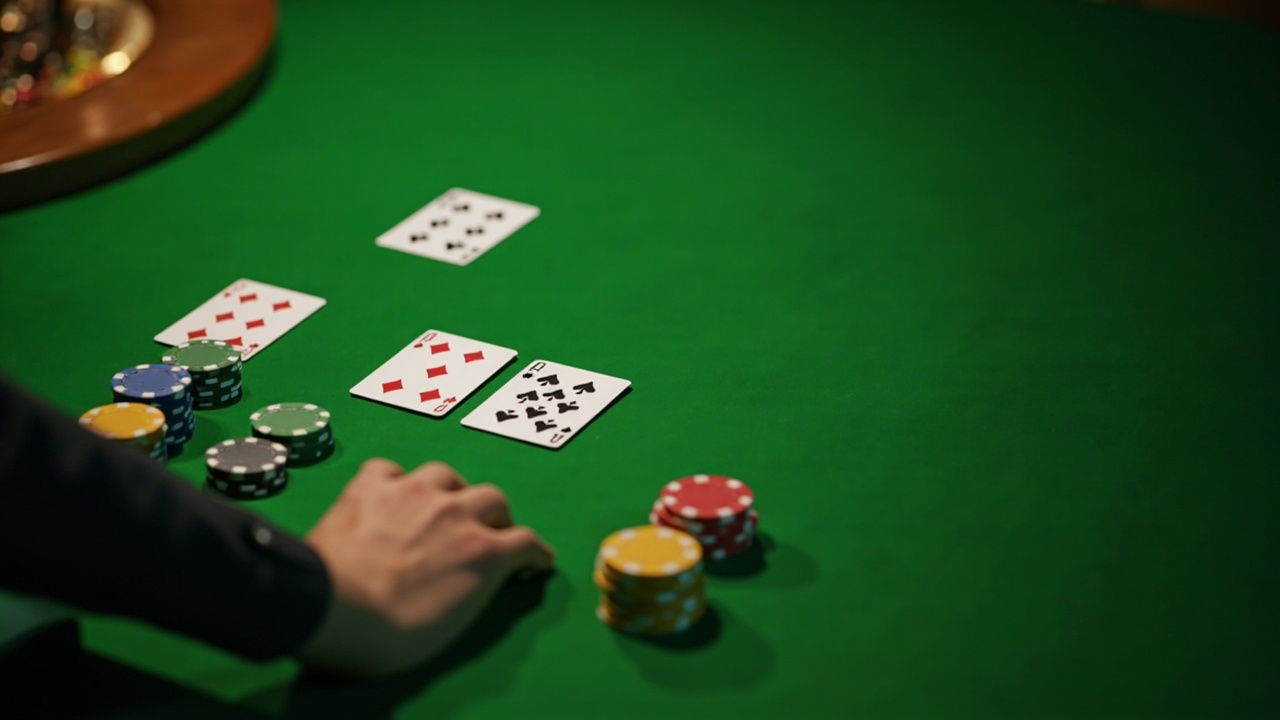
From a game-design standpoint, payment rails are part of the player loop, not a separate utility. When a settlement method introduces variable confirmation windows, it changes the rhythm of a session and the way a player reviews their own position. Cardano casino payments tend to suit players who want a clear, traceable record of deposits and withdrawals without relying on traditional card networks. The mathematics of confirmation times is straightforward: a predictable block interval reduces the guesswork around when funds land, which matters when a player is managing a bankroll across multiple sessions rather than treating each deposit as a one-off event.
For an Australian audience, the more interesting question is how a crypto rail interacts with the broader responsible-gambling environment. Victoria introduced mandatory carded play and load-up limits as part of pokie reforms, and that kind of structural oversight changes how operators think about deposit velocity, session tracking, and player self-awareness. A payment method that leaves a clean, timestamped trail can complement that sort of accountability, especially for players who want to compare their own activity against a known record rather than relying on memory alone.
The practical fit depends on what a player values most. Some want speed and minimal friction; others want a rail that feels separate from everyday spending, which can help create a clearer boundary around gambling funds. Cardano casino payments lean toward the latter group, particularly when the operator structures its onboarding and verification around a calm, document-led process rather than rushed approvals.
What the payment flow looks like in practice
Registration and verification before the first deposit
A reliable crypto-friendly operator usually front-loads identity checks so the payment side can move without later interruptions. Registration tends to be document-based: identity, address, and sometimes a brief confirmation of the funding source. The point is not to slow things down for its own sake; it is to make sure the account is in a clean state before any money moves. In practice, that means a player who completes verification early can treat the deposit stage as a simple confirmation rather than a gate that opens and closes unpredictably.
For players comparing timing against notes on a regional news outlet that covers local gambling policy, the pattern is familiar: slow transfers get flagged fast, and a well-ordered verification step is usually the difference between a smooth first deposit and a stalled one. That is why a measured operator will usually encourage verification before the first funding attempt, even when the marketing copy makes the process sound casual.
Deposit mechanics and currency handling
Once the account is verified, the deposit side is usually built around a wallet address, a network selection step, and a clear minimum and maximum range. Cardano casino payments generally work best when the operator presents the address and network details in a way that leaves little room for confusion, because a misrouted transaction is the kind of error that creates frustration without adding any gameplay value. A well-designed deposit screen will usually show the expected confirmation window, the network being used, and the currency that will be credited to the account.
The more interesting design detail is how the operator handles currency display. Some keep everything in a single internal unit for clarity; others show conversions alongside the deposit amount so the player can see the value they are committing before they confirm. Either approach can work, but consistency matters more than flair. A player who returns for a second session in the arvo wants the same presentation, the same limits, and the same confirmation expectations as the first visit.
Withdrawal timing and the habit of tracking results
Withdrawal design is where payment rails reveal their real character. A method that is fast on deposit but vague on payout timing creates an uneven experience, and uneven experiences tend to erode trust over time. Cardano casino payments are often chosen because they offer a more legible withdrawal path, but the actual experience still depends on how the operator structures its review, approval, and release steps. The better setups make those stages visible rather than hiding them behind generic status text.
That visibility matters for players who think in terms of sessions and bankroll cycles rather than isolated wins. When a withdrawal moves through a clear review stage and then a defined release window, it becomes easier to plan around, which is useful for anyone treating gambling as a contained leisure activity rather than a recurring income idea. The goal is not to promise a specific outcome; it is to make the path from request to settlement readable enough that a player can judge the operator’s reliability for themselves.
Who this payment style suits best
Cardano casino payments are not a default choice for every player, and they do not need to be. They work best for people who already think in terms of separate funds, clear records, and a payment rail that feels distinct from daily spending. For a Melbourne-based player who wants a quieter, more traceable way to fund sessions, that separation can be useful in its own right, especially when the operator supports it with steady onboarding and consistent limits.
The fit also depends on patience. A crypto rail can be appealing precisely because it is not trying to mimic the instant-gratification rhythm of a card payment, and that difference suits players who are comfortable waiting for a confirmation rather than expecting an immediate result every time. In a market where responsible gambling expectations are increasingly tied to tracking and self-awareness, a payment method that supports a calmer pace can be a better match than one that encourages constant reloads.
There is also the matter of ongoing value after the welcome offer. Recurring promos, cashback, loyalty tiers, tournaments, and repeat-play reasons all matter more than the first deposit, because they determine whether a player keeps coming back for the game design and the rewards structure rather than the novelty of a new rail. A well-built operator will usually treat payments as one part of a broader loop that includes regular promotions, a usable loyalty path, and tournament calendars that give returning players something to aim at beyond the initial bonus.
For anyone weighing whether this approach suits them, the useful comparison is not “crypto versus everything else” but “does this rail match the way I want to manage my time, my funds, and my records?” If the answer is yes, Cardano casino payments can be a sensible part of a measured setup. If not, there is no shortage of other reasons to keep looking, and the need for spin casino is one of those practical checks that helps separate a payment style from the rest of the operator’s design. need for spin casino